DTCC Selects Solana for Tokenized Securities Expansion
BITmarkets Team
Nov 17, 2026
However, industry analysts caution that regulatory restrictions and limited institutional participation could prevent the integration from generating substantial trading activity or demand for Solana's native cryptocurrency, SOL.
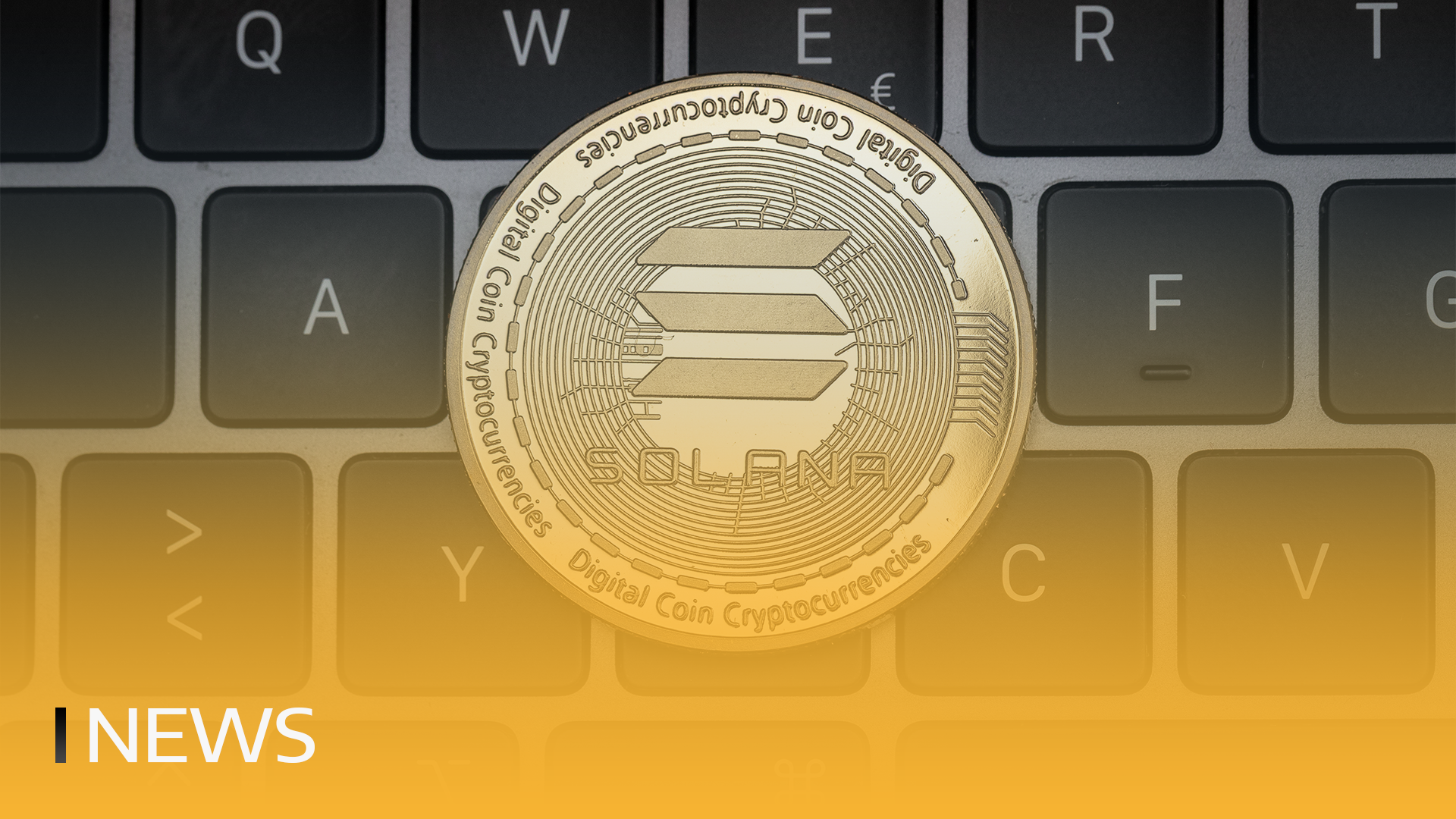
DTCC announced that it intends to connect its tokenization service to Solana during the second half of 2027, enabling certain securities held by its Depository Trust Company (DTC) subsidiary to be represented as digital tokens on the blockchain.
DTCC selects Solana for tokenized securities expansion
Solana's high transaction speeds and relatively low fees have helped establish the network as a popular destination for cryptocurrency trading, particularly memecoins. According to DeFiLlama, the blockchain had approximately $4.94 billion in total value locked (TVL) as of Nov. 12.
Alex Lin, founding partner at venture capital firm Reforge, suggested that Solana's experience handling substantial memecoin trading volumes may have demonstrated its suitability for more traditional financial applications. “Memes were a public stress test that gave Solana credibility that it can handle retail-scale volume cheaply and reliably,” Lin told Cointelegraph.
Despite the potential benefits, existing regulatory requirements could restrict how tokenized securities are used on the network. Under a December 2025 no-action letter issued by the US Securities and Exchange Commission (SEC), DTC participants must register their wallets before holding tokenized securities. Transfers are permitted only between registered wallets.
These restrictions could limit participation from retail investors and decentralized finance (DeFi) platforms. “It’s overstated in the near term because the SEC relief from Dec 2025 keeps these tokens in a walled garden of registered DTC participants, so permissionless retail and DeFi liquidity can’t touch these tokens directly yet,” Lin said. “Regulators need to let these assets work as true onchain collateral and that’s more policy than tech.”
DTCC previously launched its tokenization service on the Canton Network and its private Besu network on Oct. 28, allowing eligible securities to be converted into digital tokens while preserving existing investor protections. At launch, 20 DTC participants had signed agreements to access the service. However, DTCC has not disclosed whether any of those institutions intend to use Solana.
Solana's tokenized asset market grows despite declining network activity
While broader trading activity on Solana has recently weakened, demand for tokenized financial assets has continued to increase. According to blockchain analytics platform Birdeye, tokenized stock trading volume on Solana reached approximately $4.9 billion during the first half of 2026, more than six times the volume recorded during the preceding six months.
Birdeye's third-quarter report also found that more than one million accounts held tokenized stocks on the blockchain by late September. “By late September more than a million wallets had held a tokenized stock, and real-world assets on Solana had grown five times in a year,” Birdeye CEO and co-founder Kha Nguyen told Cointelegraph.
However, other network indicators have shown declining activity. According to Token Terminal, Solana processed approximately 6.9 billion transactions during the 30 days ending Nov. 11, representing a decline of nearly 40% compared with the preceding period.
Trading volume across decentralized exchanges fell 34.4% to $39.1 billion, while monthly active addresses decreased almost 13% to 45.8 million. Network fees also declined 39%, reaching approximately $17 million.
Despite these decreases, the value of tokenized real-world assets (RWAs) on Solana increased nearly 7%, rising from $4.46 billion on Oct. 12 to $4.76 billion by Nov. 11. Nguyen cautioned that an increase in tokenized asset value does not necessarily translate into greater transaction volumes or demand for SOL.
“A trade is one transaction whether it moves $100 or $100 million,” Nguyen said. “What matters is turnover, not value parked on-chain.” His comments highlight the distinction between assets being held on a blockchain and the transaction activity those assets generate.
Institutional adoption will determine Solana's long-term benefits
Analysts believe the success of DTCC's planned integration will depend largely on whether financial institutions actively use Solana for securities issuance, trading and settlement. Nguyen emphasized that participation from banks, brokerage firms and asset issuers will be essential to generating meaningful economic activity on the network.
“Banks, brokers and issuers need to say they will issue, trade and settle there, and then do it,” Nguyen said. He also noted that institutional liquidity will be necessary to support larger transactions and encourage broader adoption of tokenized securities.
Simply holding financial assets on Solana may not be sufficient to produce significant benefits for the blockchain. “The assets must be active, not idle: traded around the clock, used as collateral to borrow against, and earning yield,” Nguyen said.
Lin expressed a similar view, arguing that the long-term value of tokenization depends more on how financial instruments are used than on the blockchain where they are initially issued. “No one cares where the assets are issued, but more so where they’re used,” Lin said. “It’s all about where secondary trading and collateral activity will happen and ultimately settle.”
The planned DTCC integration could strengthen Solana's position within institutional tokenization infrastructure, particularly as traditional financial companies explore blockchain-based securities. However, its impact on network activity and SOL demand remains uncertain.
With the integration scheduled for the second half of 2027, the extent of institutional participation, available liquidity and future regulatory developments will likely determine whether the initiative produces sustained growth in Solana's tokenized asset ecosystem.
Sources:
https://cointelegraph.com/news/dtcc-plans-solana-expansion-wallet-rules-limit-access
https://birdeye.so/research/detail/solana-h1-2026-report-primed-for-the-third-leap
https://birdeye.so/research/detail/solana-q3-2026-report-where-conviction-grows