Where You Can Pay With Crypto in 2026
BITmarkets Team
Jan 13, 2026
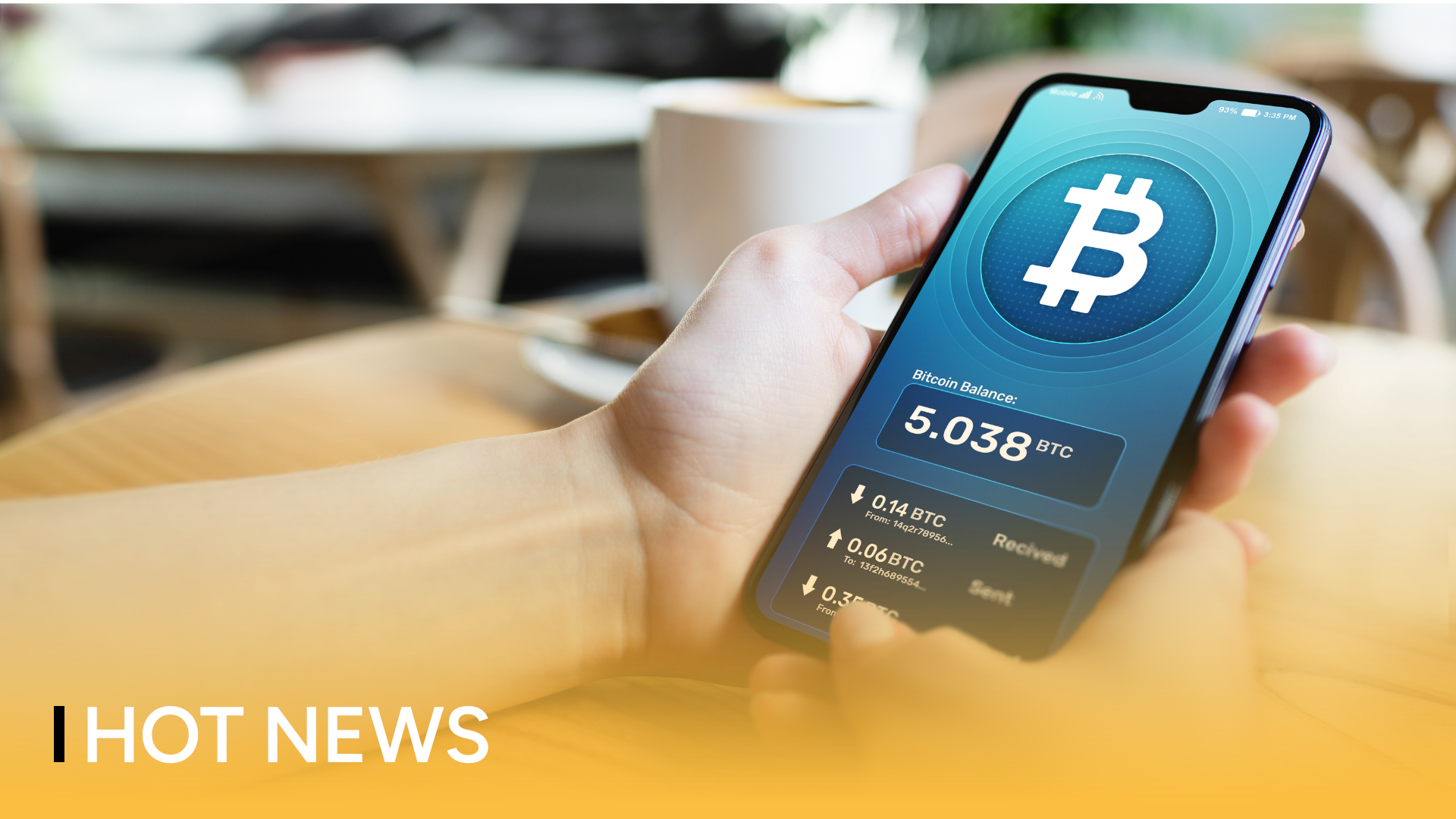
What began as a speculative asset is becoming a standard payment tool. In many ways, this fulfills the original purpose of Bitcoin: taking financial power away from intermediaries and returning it to individuals. For cryptocurrencies to become a true alternative to banks, however, they must work in the real world — and that is exactly what is happening today.
When an investment becomes a wallet
User interest is easy to understand: paying directly, quickly, and without banks. Less obvious is why merchants themselves are embracing crypto payments. The answer is simple: cryptocurrencies offer a competitive advantage.
According to a Deloitte survey, 85% of merchants see crypto payments as a way to reach new customers — particularly younger, tech-savvy audiences with higher purchasing power. Brands position themselves as innovators and build loyalty among a generation increasingly distancing itself from traditional banking.
Why crypto also makes sense for merchants
The benefits go beyond new customer segments. Payment economics play a major role as well. While card transactions can take several days to settle and typically incur fees between 1.5% and 3.5%, cryptocurrencies operate 24/7 and often settle almost instantly.
Solutions such as Lightning Network, Solana, or Ripple keep fees well below one US cent per transaction. For businesses, this means lower costs and improved cash flow.
Another major advantage is transaction finality. Once confirmed, blockchain payments cannot be reversed unilaterally. Merchants avoid costly chargeback fraud, a common issue in the card payment ecosystem. Cryptocurrencies also unlock entirely new ways of handling money. Smart contracts allow revenue to be automatically split among partners, suppliers, or employees immediately after a purchase — without complex administration.
From fast food to villas Where crypto payments are already accepted
The result is rapid adoption across industries. Crypto payments are no longer limited to tech enthusiasts. Bitcoin and other digital assets are accepted by global brands and small local businesses alike.
In the tech sector, Microsoft was among the early adopters and has accepted bitcoin for years. AT&T allows bill payments via BitPay, Twitch supports crypto payments for subscriptions, and Tesla accepts dogecoin for selected products. E-commerce remains the most natural environment for crypto, from Newegg and Beyond to Shopify, which enables thousands of smaller merchants to accept digital assets without complex integration.
Cryptocurrencies are also gaining ground in physical locations. Chains such as Chipotle, Burger King, and Subway accept payments through specialized processors. Starbucks allows users to top up balances using crypto via third-party services. Many independent cafés already rely on Lightning Network, where payments are as fast as tapping a card.
In the luxury segment, crypto has become a marker of premium service. Gucci, Balenciaga, TAG Heuer, Hublot, and Ralph Lauren accept digital assets both online and in physical stores. Travel is another strong use case. Platforms like Travala and Alternative Airlines allow users to book hotels and flights with dozens of cryptocurrencies, avoiding exchange rates and international fees.
The entertainment industry is following suit. AMC Theatres, Regal Cinemas, and sports teams such as the Dallas Mavericks offer tickets and merchandise for crypto. Digital services — from VPNs to secure email — attract privacy-focused users who prefer paying with crypto. At the top end of the market is real estate. Apartments, villas, cars, and yachts are now traded in crypto, particularly in crypto-friendly regions such as the United Arab Emirates. Multi-million-dollar transactions are no longer exceptional.
Where direct payments are not yet available, gift cards act as a bridge. Services like Bitrefill allow users to shop at Amazon, IKEA, or Uber — the merchant never touches crypto, while the customer pays using a gift card purchased with bitcoin.
A world without banks becomes the new normal
Payments themselves are becoming simpler. Crypto cards linked to wallets allow users to pay anywhere traditional cards are accepted. At the point of purchase, cryptocurrency is automatically converted into fiat currency, making the difference nearly invisible to everyday users. Volatility is addressed through stablecoins, which track the US dollar and enable predictable daily spending.
Taxes remain the one constant challenge. In many jurisdictions, paying with cryptocurrency is considered a taxable event. Each purchase can trigger capital gains. Proper record-keeping is therefore essential.
Still, 2026 clearly shows that cryptocurrencies are no longer a niche phenomenon. A world without banks, borders, and unnecessary fees is no longer a future vision — it is a reality slowly integrating into everyday life. Along with it comes crypto’s original promise: true financial freedom for those who hold their own keys.
Sources:
https://www.deloitte.com/us/en/services/audit-assurance/articles/corporates-using-crypto.html