Spain Issues Guidelines for Application of MiCA Rules
BITmarkets Team
Dec 17, 2025
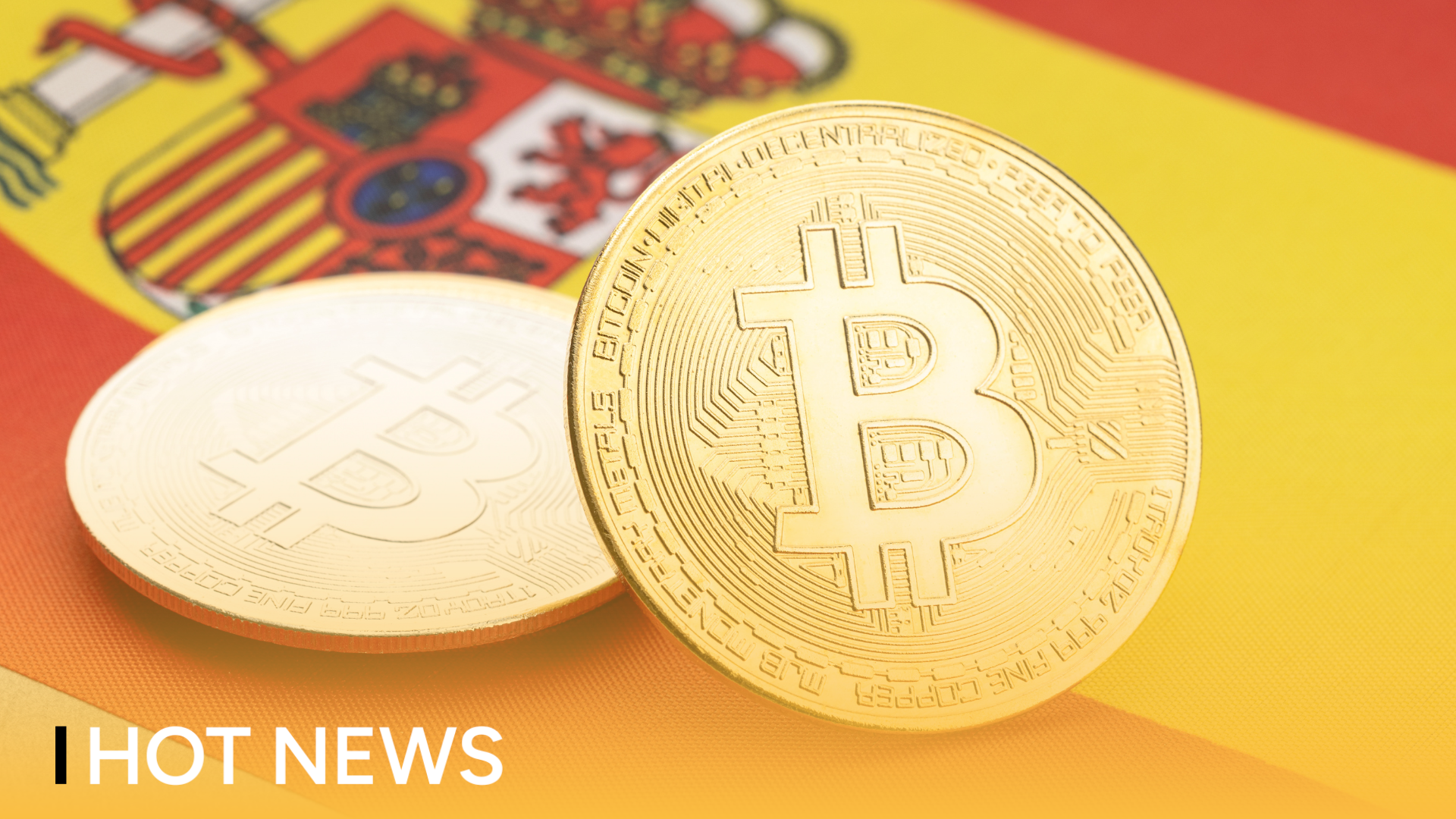
The Spanish National Securities Market Commission (CNMV – Comisión Nacional del Mercado de Valores) has released a comprehensive question-and-answer document outlining what crypto asset service providers (CASPs) need to do to continue operating legally in Spain. For market participants, the message is unambiguous: obtain authorization under MiCA, or shut down operations.
Authorization process and transition rules
The CNMV’s Q&A walks companies through the authorization workflow, explaining which entities fall under MiCA and how Spain’s national procedures interact with the EU-level framework. The document clarifies how firms should approach applications already in progress, what information must be submitted, and how the regulator will assess cross-border operations during the transition.
The guidance also spells out the interaction between MiCA and Spain’s pre-existing rules, including cases where CASPs need both national and EU-level filings. The regulator stresses that authorization-related notifications carry real legal weight — delays or incomplete submissions can jeopardize a firm’s right to continue operating.
Spain opts for a shorter transition window
Under MiCA, EU member states may allow existing providers to operate during a transition period until July 1, 2026, or until authorization is granted or denied. Spain has chosen a significantly shorter window that ends on Dec. 30, 2025. After that date, only fully authorized CASPs will be allowed to provide services in the country.
This decision forces crypto companies active in Spain to accelerate their compliance preparations. Whether firms stay or exit the market will depend on how quickly they can meet the new regulatory requirements.
Tax reforms enter the debate
MiCA is not the only crypto-related regulation currently under discussion in Spain. In recent weeks, the left-wing Sumar parliamentary group introduced amendments aimed at reforming three major tax laws affecting cryptocurrencies, including the General Tax Law, the Income Tax Law, and the Inheritance and Gift Tax Law.
The proposal would change how crypto profits are taxed, moving gains from non-financial-instrument assets into the general income tax bracket. This would raise the top personal tax rate to 47%, compared with the current 30% savings rate, while setting a flat 30% tax for corporate holders.
Sumar holds 26 of the 350 seats in Spain’s Congress of Deputies and is a junior partner in the governing coalition. The group has also proposed a visual “risk traffic light” system for cryptocurrencies, to be displayed on investor platforms. However, given Sumar’s limited political weight, approval of these measures remains uncertain.
Sources:
https://bravenewcoin.com/insights/spain-sets-clear-path-for-crypto-platforms-under-new-eu-rules
https://financefeeds.com/spains-cnmv-lays-out-mica-rules-tells-crypto-firms-comply-or-quit/
https://www.cnmv.es/portal/mica/regulacion-criptoactivos?lang=en
https://cointelegraph.com/news/spain-crypto-tax-proposal-bitcoin-risk-system