Korea Tightens Rules against Crypto Scams
BITmarkets Team
Jan 07, 2026
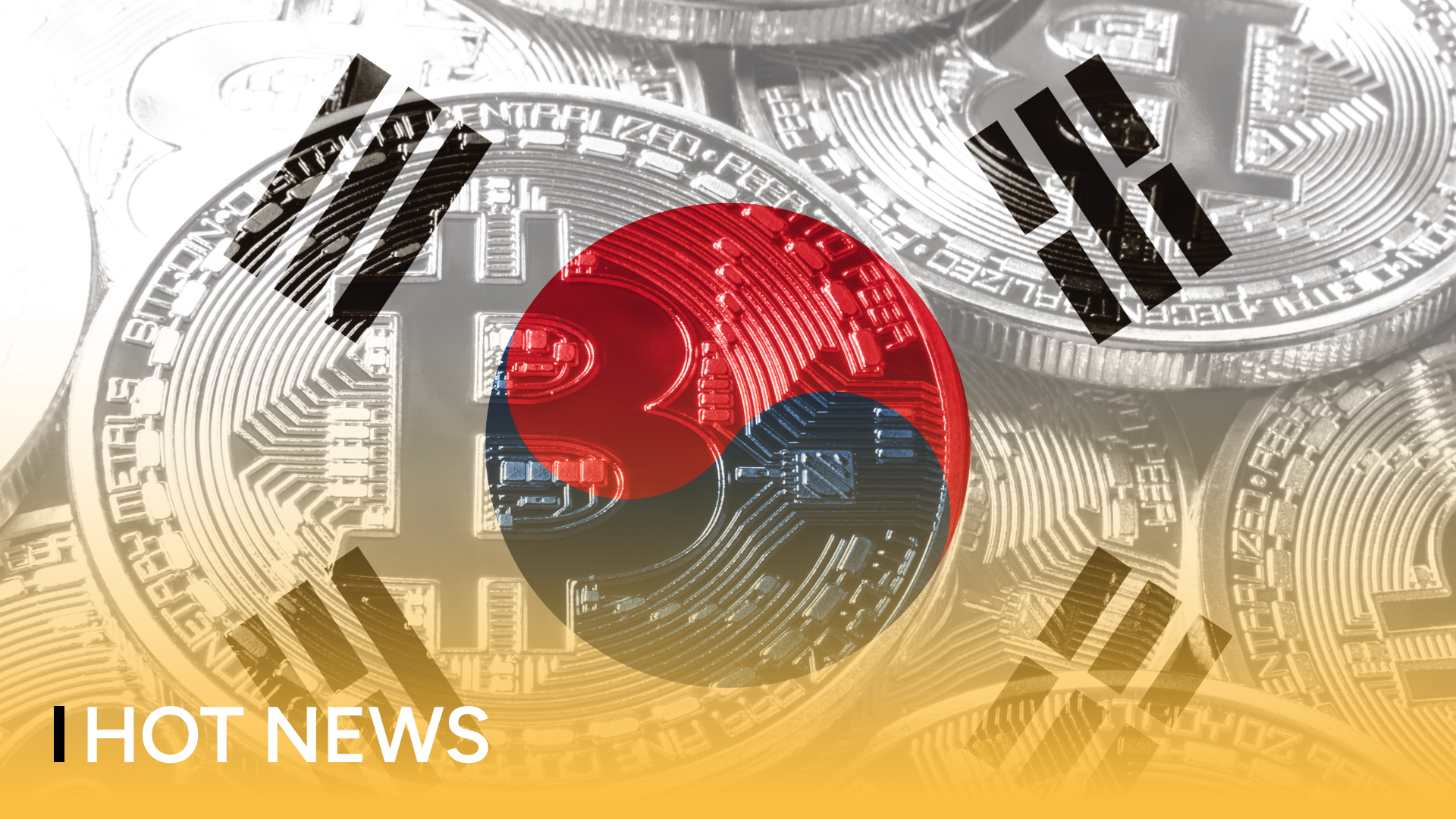
South Korea’s financial authorities are reviewing whether to allow regulators to temporarily block crypto transactions linked to suspected price manipulation before funds are moved or laundered.
The Financial Services Commission is examining a payment suspension system that would enable authorities to freeze crypto accounts at an early stage of an investigation. The proposal would align crypto market enforcement more closely with stock market rules, where regulators already have the power to block accounts suspected of manipulation before profits are withdrawn.
At present, authorities typically need court warrants to seize or freeze digital assets. This process can take time and often gives suspects a window to move funds beyond regulators’ reach, making rapid intervention difficult.
Shift from reactive to preventive oversight
Under the current framework, regulators often act only after suspicious trading activity has already occurred. Practices such as front-running, automated wash trading, or aggressive buy orders can generate large unrealized gains that disappear quickly once positions are closed or assets transferred.
Applying stock market-style freezes to crypto trading would represent a shift from reactive enforcement to preventive controls. Regulators would be able to intervene during suspected manipulation rather than waiting for judicial approval after funds have already moved.
Impact on exchanges and traders
For exchanges and traders, the proposed change would raise compliance and surveillance requirements. Platforms may need to strengthen internal monitoring systems to detect suspicious activity before regulators step in. Traders using high-frequency strategies or automated tools could face closer scrutiny, especially during periods of low liquidity or sharp price movements.
The review comes as South Korea prepares the second phase of its crypto legislation. While the first phase focused on user protection and exchange oversight, the next stage is expected to address stablecoins and market abuse. Draft proposals have not yet been formally introduced.
Crypto exodus deepens market uncertainty
The discussion over tougher enforcement coincides with a sharp contraction in South Korea’s cryptocurrency market. Trading volumes have reportedly fallen by around 80% year-over-year, signaling a rapid shift in investor sentiment across one of Asia’s most active digital asset markets.
The decline is attributed to post-bull market consolidation, stricter domestic regulations, a global risk-off environment driven by higher interest rates, and the disappearance of the so-called Kimchi Premium. The term refers to the price gap at which Bitcoin and other digital assets historically traded at a premium on South Korean exchanges compared to global markets.
Some experts question whether granting regulators stronger powers will stabilize the market. Critics argue that South Korea’s regulatory framework is already relatively strict and that additional measures could further increase compliance costs without addressing the underlying causes of volatility.
Sources:
https://coinlaw.io/south-korea-crypto-payment-freeze-proposal/
https://cryptorank.io/ru/news/feed/20f7a-south-korean-crypto-trading-plummets