Is Venezuela Hiding a $60 Billion Bitcoin Reserve?
BITmarkets Team
Jan 07, 2026
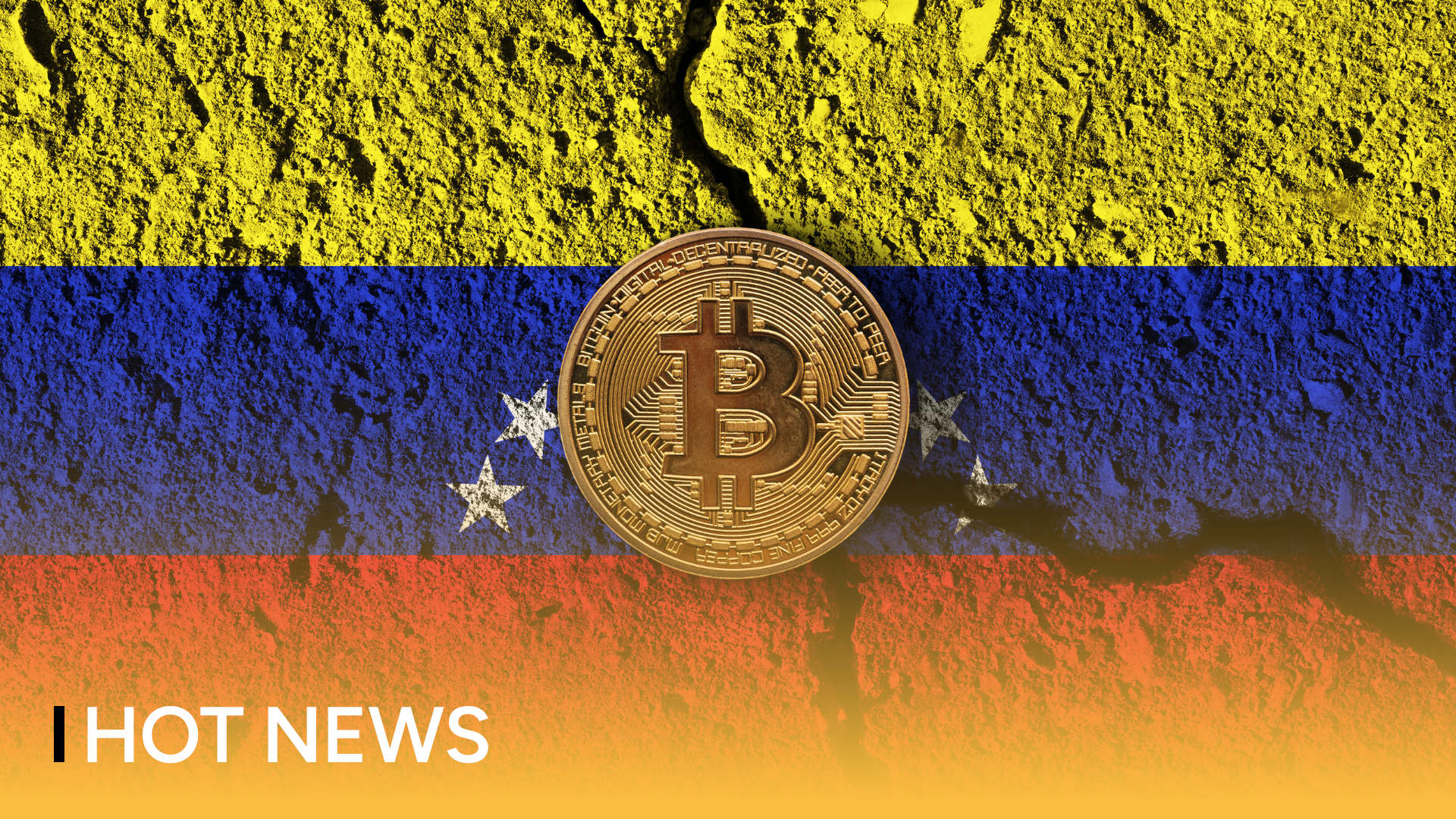
The 600,000 BTC theory: where did it come from?
The idea originated with investigative journalist Bradley Hope, who argued in the Whale Hunting newsletter that the Venezuelan government systematically exchanged gold for cryptocurrencies. Based on his sources, access to the wallets was allegedly managed by a Swiss lawyer, with speculation also surrounding Alex Saab, Venezuela’s minister of industry and national production, who remains under U.S. sanctions.
The 600,000 BTC figure, however, is not derived from on-chain data. Instead, it is a mathematical estimate based on Venezuela’s gold sales since 2018, when the country sold 73 tons of gold—around 40% of its reserves. Supporters of the theory assume that the proceeds may have ended up in bitcoin.
Blockchain data: no clear evidence
Major analytics platforms remain cautious. According to BitcoinTreasuries.net, Venezuela has accumulated just 240 BTC since 2022, worth roughly $22 million. Whale Alert co-founder Frank Weert notes that if Venezuela truly held 600,000 bitcoins, it would represent an unprecedented failure of blockchain analytics.
He adds that even the 240 BTC estimate should be treated carefully, as it is not always backed by publicly verifiable transactions. In short, neither the low nor the extreme estimate currently rests on solid proof.
Venezuela and crypto: a long-term experiment
One thing is certain—Venezuela has experimented with cryptocurrencies longer than most states. According to Ari Redbord of TRM Labs, Maduro’s government began using crypto well before many other governments did.
In 2018, Venezuela launched its state-backed digital currency Petro, pegged to oil. The project lasted six years before being shut down. Government institutions were also pushed to use crypto-based payment mechanisms, particularly in oil trade and international transactions.
Crypto as a hedge against inflation
Crypto adoption in Venezuela is also fueled by long-term hyperinflation of the bolívar. A TRM Labs report ranked the country 11th among the top 20 nations for crypto adoption in 2025. Cryptocurrencies are widely used as a store of value and a tool for cross-border payments.
Obscuring trails and “plausible deniability”
According to Aurelie Barthere of Nansen, certain wallet clusters can be linked to Venezuela, including state-backed exchanges such as Criptolago. Direct attribution to the state, however, remains extremely difficult.
This is due to sophisticated obfuscation techniques, including fragmented non-custodial wallets, offshore OTC brokers, peeling chains, mixers like Tornado Cash, cross-chain swaps, and state-controlled mining operations. While analysts can often reconstruct these flows, ownership remains hard to prove without access to private keys.
Sources:
https://x.com/bradleyhope/status/2007493061102784574?s=20
https://home.treasury.gov/news/press-releases/sm778
https://bitcointreasuries.net/governments/venezuela
https://www.trmlabs.com/reports-and-whitepapers/2025-crypto-adoption-and-stablecoin-usage-report