Brazil Backs Real-Time Bitcoin Music Project
BITmarkets Team
Dec 24, 2025
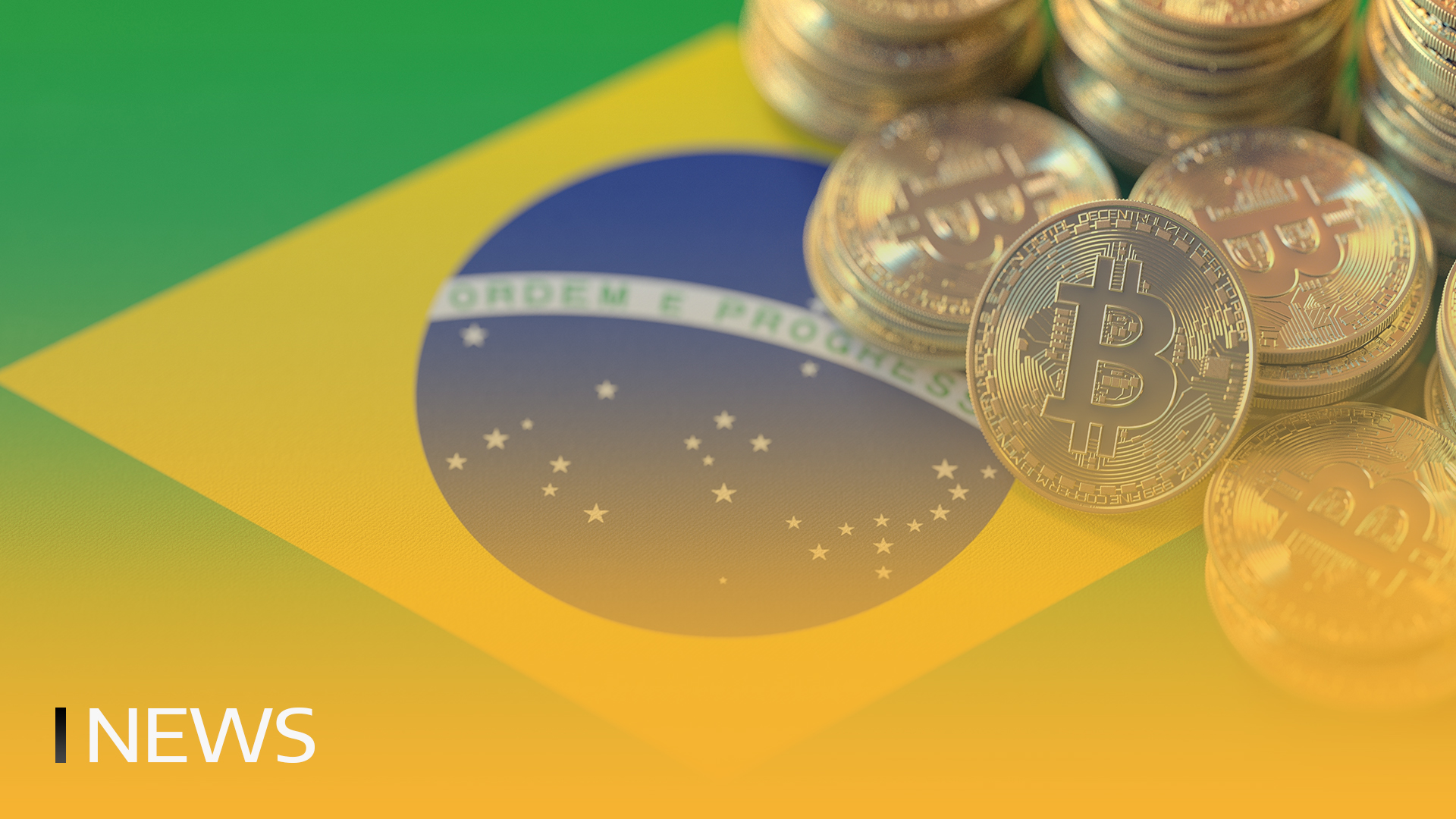
According to Brazil’s Federal Register, the project has been authorized to collect up to 1.09 million reais (around $197,000) from private sponsors and individual donors. The funding would support an instrumental concert that converts financial data into music, drawing inspiration from art, mathematics, economics and physics.
The performance is planned to take place in Brasília, Brazil’s federal capital. The official notice does not clarify whether blockchain or onchain technology will be directly involved in the production.
The project outline explains that an algorithm will translate Bitcoin price movements and related technical indicators into musical notation in real time. These inputs are designed to shape melody, rhythm and harmony as the orchestra performs, effectively turning market behavior into sound. The concept aims to give audiences an audible experience of Bitcoin’s volatility by merging traditional orchestral instruments with data-driven composition.
Approval confirms that the initiative met the criteria of Brazil’s Rouanet Law and passed technical evaluation, allowing contributors to deduct their support from taxes. Fundraising must be completed by Dec. 31, and the project has been categorized under “Instrumental Music,” which defines how tax benefits apply.
Algorithmic crypto art as creative material
The Brazilian project follows a broader trend of artists using cryptocurrency data as a foundation for creative work. In recent years, various experiments have explored how crypto-native and real-world data streams can be repurposed into artistic expression.
One early example dates back to 2020, when a San Francisco–based programmable art collective unveiled a digital artwork that evolved alongside Bitcoin’s price. The piece, Right Place & Right Time by artist Matt Kane, used BTC market data as a live input, allowing price changes to alter the artwork’s visual form in real time.
Released through Async Art, the work was structured around a central “Master” image composed of multiple independent layers. Each layer responded to Bitcoin price movements, influencing elements such as rotation, scale and positioning over time.
Expanding experiments with data-driven art
Other artists have taken similar approaches by combining large datasets, algorithms and emerging technologies to create evolving artworks. Refik Anadol, for example, is known for immersive installations that transform data sources ranging from environmental measurements to archival records into continuously shifting visual experiences.
In recent years, Anadol has also released several non-fungible projects. One notable example is Winds of Yawanawá, an NFT collection launched in July 2023 in collaboration with the Yawanawá Indigenous community of the Brazilian Amazon. The project blends real-time environmental data with traditional artistic elements, resulting in a generative digital series that evolves over time.
Sources:
https://www.in.gov.br/web/dou/-/portaria-sefic/minc-n-825-de-11-de-dezembro-de-2025-674815854
https://news.artnet.com/art-world/refik-anadol-yawanawa-impact-one-therme-art-2340856
https://cointelegraph.com/news/brazil-live-orchestra-bitcoin-price-into-music